Our approach
Our goal is to restore the ecosystem and inspire others to join our quest to save dryland ecosystems.

What guides us?
Our vision
We believe that a sustainable business and ecosystem restoration go hand in hand. Our approach is guided by nature, as we listen to her cues to understand the needs of the land. In return, we play our part by safeguarding the area from external disruptions, planting a wide variety of trees, and providing water.
Our aim is to establish a self-sufficient and thriving ecosystem. The system gives us ample in return, such as an increase in water retention, the increase of wildlife, and forest products that we use to fund our mission.
Our history
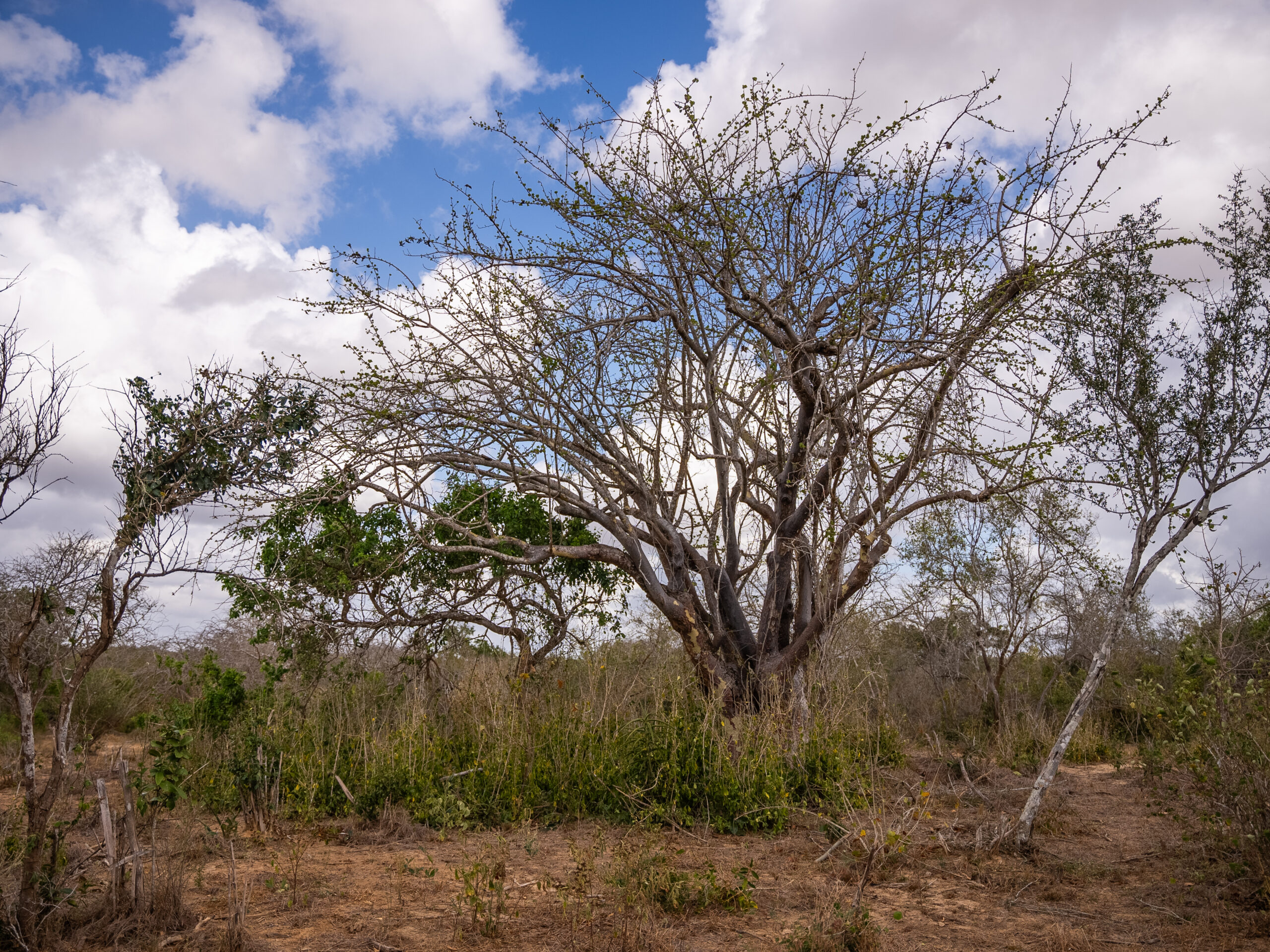
In January 2018, a stunning piece of land was purchased near the quaint village of Baricho. This land, intersected by the seasonal Koromi River, holds great potential. After thorough research, the first batch of trees and shrubs were planted in May 2019. Since then, the development of the 500-acre Koromi Farm has been underway. Nestled within the expansive Dakacha Woodland area, the farm benefits from the water provided by the Koromi River, which helps sustain the newly planted trees.
The initial concept was to preserve existing trees and interplant Melia Volkensii and Moringa Olifeira, for timber and seed oil respectively. However, in early 2022, we decided that a more diverse mix of trees was necessary to have a stronger impact on biodiversity. Since then, we have planted many other mainly indigenous trees. Despite the challenging drought in 2021 and 2022, we have persisted with our approach, and we are now witnessing a positive impact on the landscape.
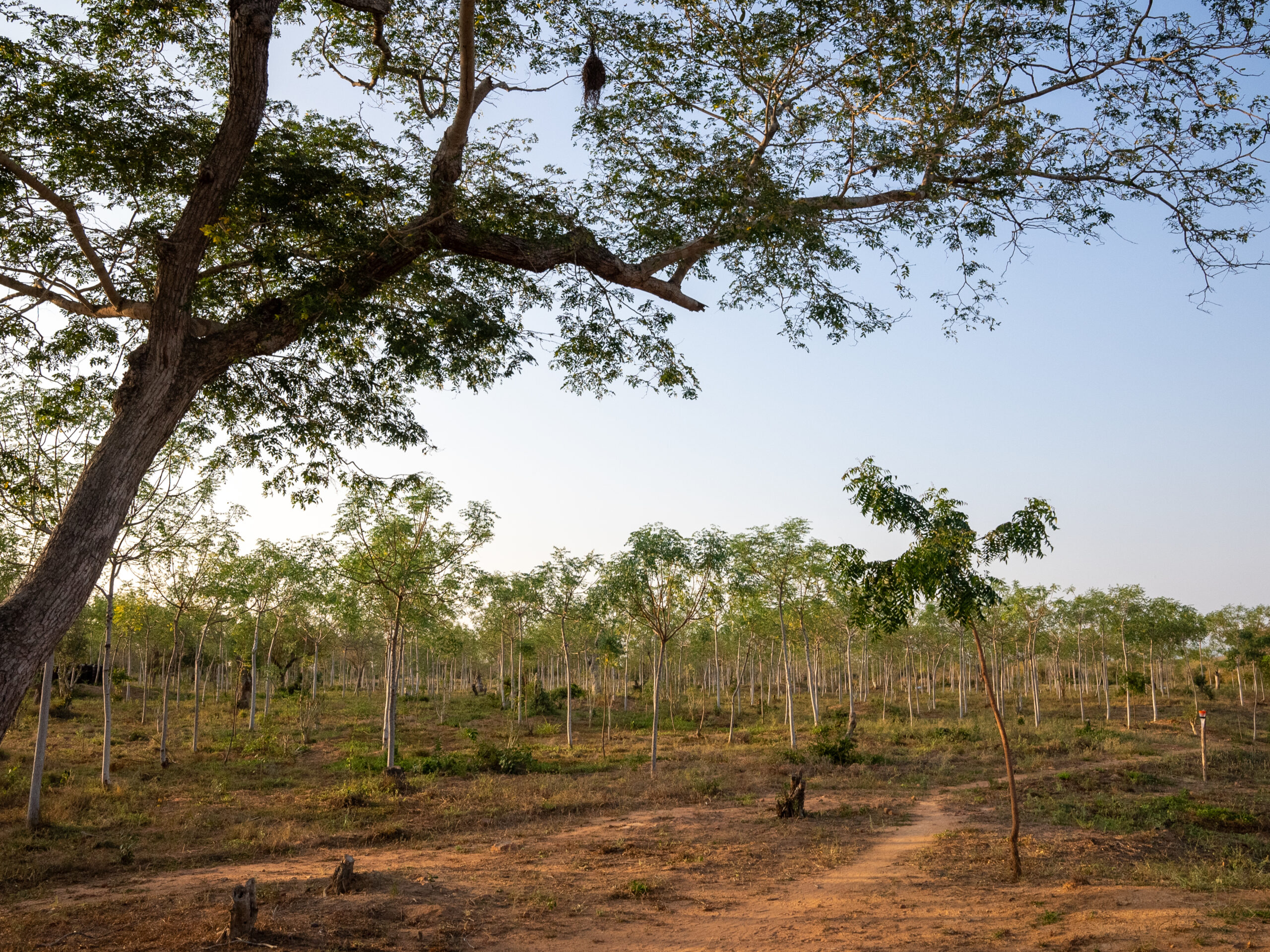
Ecosystem restoration through biodiverse reforestation and agroforestry
How do we achieve this?
Our main pillars
Our team is here to guide you each step of the way. From booking flights and hotels or designing an itinerary; we give you a complete planning service.
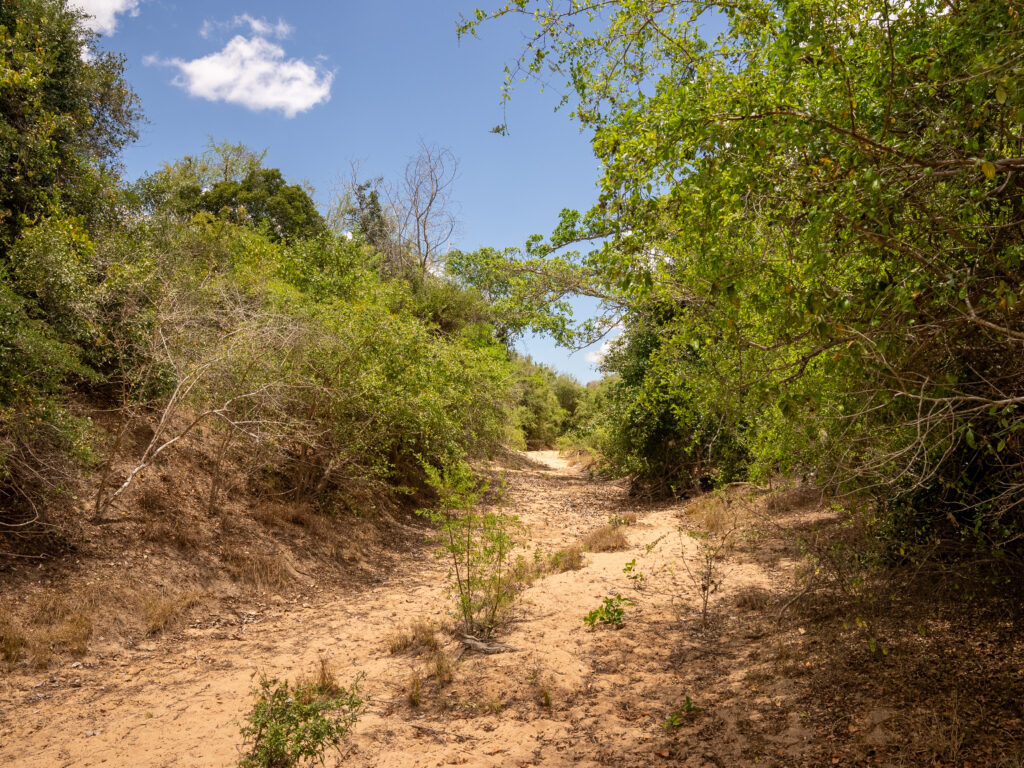
Ecosystem restoration
We plant a high diversity and density of trees, shrubs, climbers and more. We combine more than a 100 species, and plant over 1200 trees per hectare, in additional to all the other plants.
Community collaboration
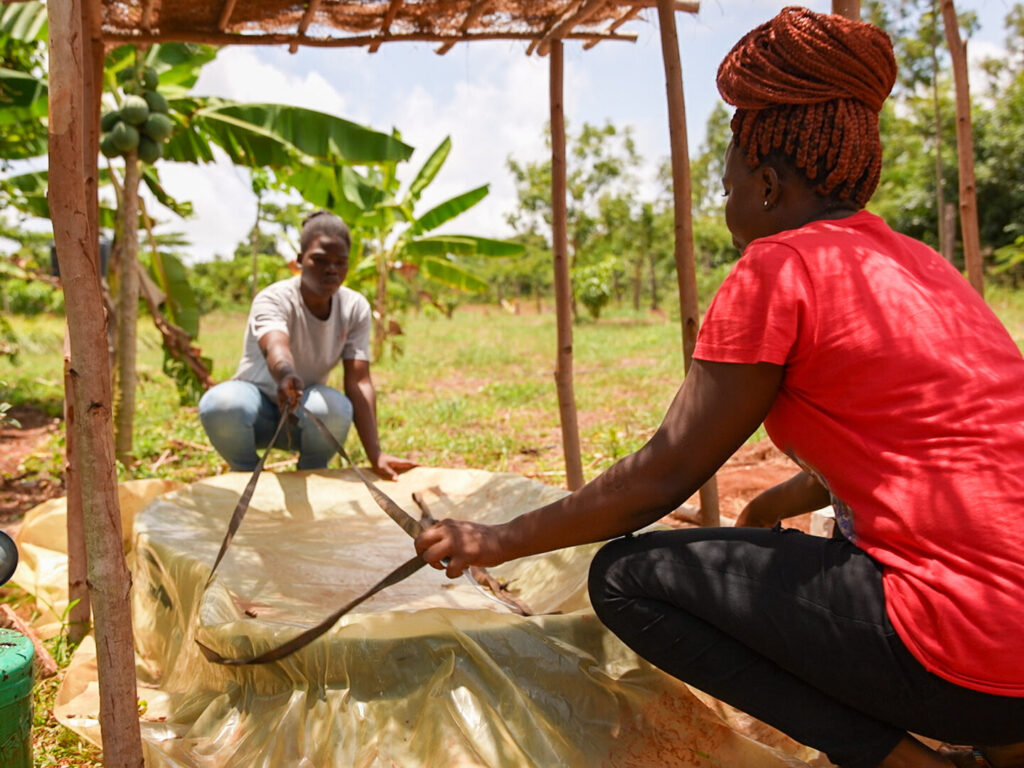
We are working with the local community, providing workshops on the value of native biodiversity and their income generating oppportunities. We are working with thhem to provide alternatives to logging and grazing for income generation. We are setting up school forests to function as an example and learning opportunity for the local families.

Production
We combine sustainable timber with other dryland production species such as myrre and argan oil. These trees are part of the biodiverse system, and provide the income needed to continue restoring the dryland region.
Accomplishments
>50.000
>300
>100
Dakatcha Woodland
Discover the urgent need to safeguard Dakatcha Woodland, situated along the captivating coast of Kenya. This unique ecosystem, classified among the world’s 10 most threatened forest hotspots, plays a vital role in conserving 13 IUCN Red Listed species. Unfortunately, Dakatcha is facing an alarming threat as it is rapidly being cleared for charcoal production and agriculture.
We at Koromi farm are taking a stand to protect Dakatcha by having selected areas for pure ecosystem restoration. This initiative aims to preserve the indigenous forest and its threatened wildlife, contributing to the global effort to combat biodiversity loss.
Research
We strive to enhance the understanding of synthropic agroforestry practices for those involved in this field. Our entire farm is implementing a cutting-edge approach. Additionally, we are leading the way in dryland agroforestry research. We are in the process of establishing a research area spanning over 25 hectares on our farm. Within this area, we conduct trials on various planting practices, including experimenting with different seedling and hole sizes.